Importing latiao is not complicated — but it punishes buyers who skip the paperwork. This guide walks through the full chain from supplier qualification to goods arriving at your port, based on what we actually ship: seasoned wheat-flour snacks from a licensed Henan plant to Russia, Central Asia and Southeast Asia since 2025.
The cheapest quote is often the most expensive mistake. Before comparing prices, verify the basics:
Two categories of rules decide whether your cargo sells or gets stuck:
Additive limits differ by market. A recipe fully legal under Chinese standards may need adjustment — for example, certain antioxidants and synthetic colors permitted within Chinese limits are restricted or prohibited in the US and EU. A competent manufacturer will check your destination's requirements before production, not after. This is exactly the kind of feasibility check built into our OEM process.
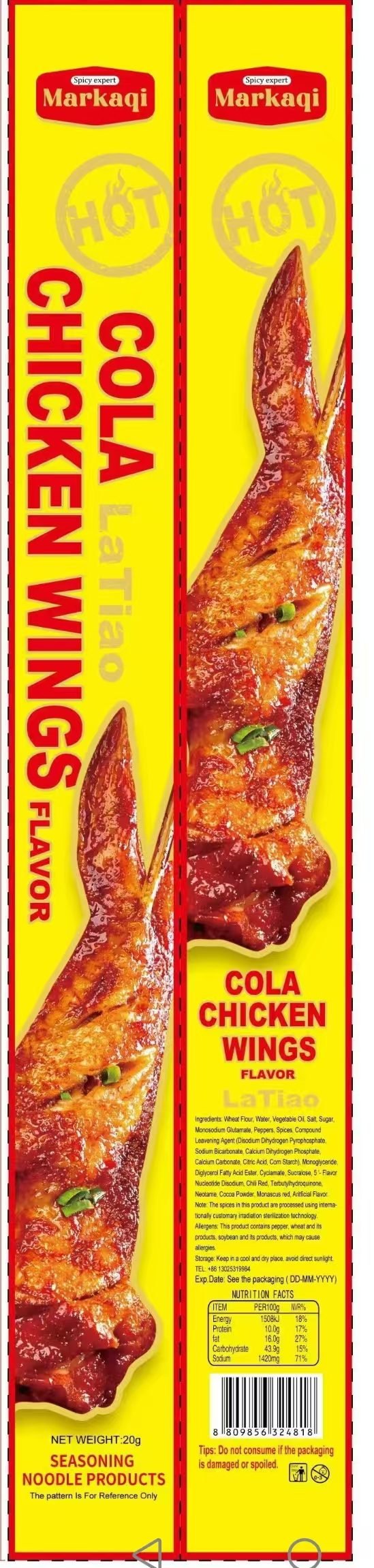
Your label must carry, in the destination's required language: product name, ingredient list, nutrition panel, allergen declaration (wheat/gluten is mandatory for latiao), net content, manufacturer details, batch code and best-before date. English-language bag versions are already standard for many plants — including ours — so label development is usually a short step, not a blank page.
A complete commercial latiao shipment typically carries:
| Document | What it proves |
|---|---|
| Commercial invoice & packing list | Transaction value and carton-level contents for customs valuation |
| Batch exit-inspection report | The specific production batch passed release testing (sensory, net content, microbiology) |
| Third-party test report | Independent verification of microbiology, heavy metals and additives — for export consignments |
| Health / sanitation certificate | Issued per destination requirements through official channels |
| Compliance declaration (e.g. EAC) | For EAEU markets: registered Declaration of Conformity against TR CU 021/2011, 022/2011 and 029/2012 |
| Certificate of origin | Preferential tariff treatment where a trade agreement applies |
Latiao ships at ambient temperature with no cold chain, which keeps it inexpensive to move. The standard export unit is the carton of 420 single-serve bags (8.3–10.5 kg gross, depending on recipe). Typical commercial terms:
Buy from a factory under a written sales contract that fixes the specification, packaging, documents, delivery window and quality remedies. A typical structure is T/T deposit with balance against shipping documents — but the contract, not habit, should define your terms. Our own approach is documented in the site's Terms of Use: the website informs, the contract governs.
It depends on the supplier and the SKU mix. Our plant supports small trial orders and standard full-container programs — confirm current minimums directly through the inquiry form.
Almost everywhere, yes — typically a food import registration for the importer of record, and in some markets a product registration too. Your customs broker or our export team can outline what applies to your destination before you commit.
Plan by lane, not by product: Southeast Asian ports are commonly a matter of days to two weeks, the Middle East and Europe roughly three to five weeks, and Russia-bound rail or sea routings vary by corridor. Confirm the current window per quotation.
Related reading: What Is Latiao? A Buyer's Guide · Private Label Spicy Snacks: Launch Your Own Latiao Brand
Tell us your destination country and target volume — we will reply with the compliance pack, a sample plan and FOB pricing within one business day.
Request a Quote See Certifications